msw : bio
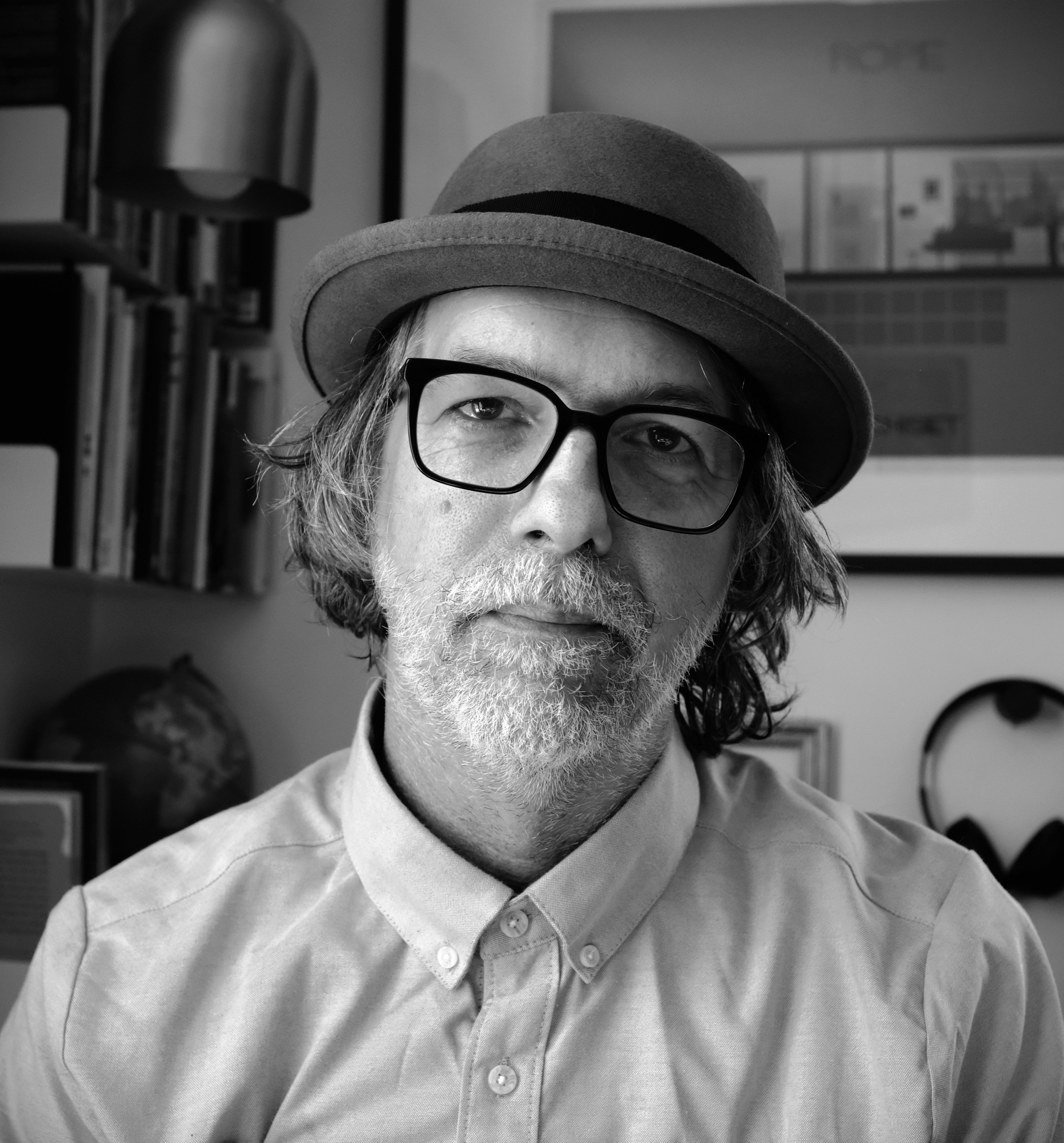
I was born and raised in Houston, Texas, by a family of readers and a father who enjoyed two things above all: sports and theology. In high school, he boxed and played football, baseball, and basketball. Of all the sports he tried to impress upon me, the one I took to most was basketball.
As it happens, I attended the same elementary, middle, and high schools as WNBA star, Olympic gold medalist, and former Russian political prisoner Brittney Griner. I was, quite obviously, light years away from how good (and tall) she is, but, with entirely undeserved smugness, I can say that I played Nimitz High School basketball in the same gymnasium where she would later develop her skills, display her prowess, and launch an astronomical career. We also grew up in the same neighborhood, three streets apart. Brittney was born one year before I left for college.
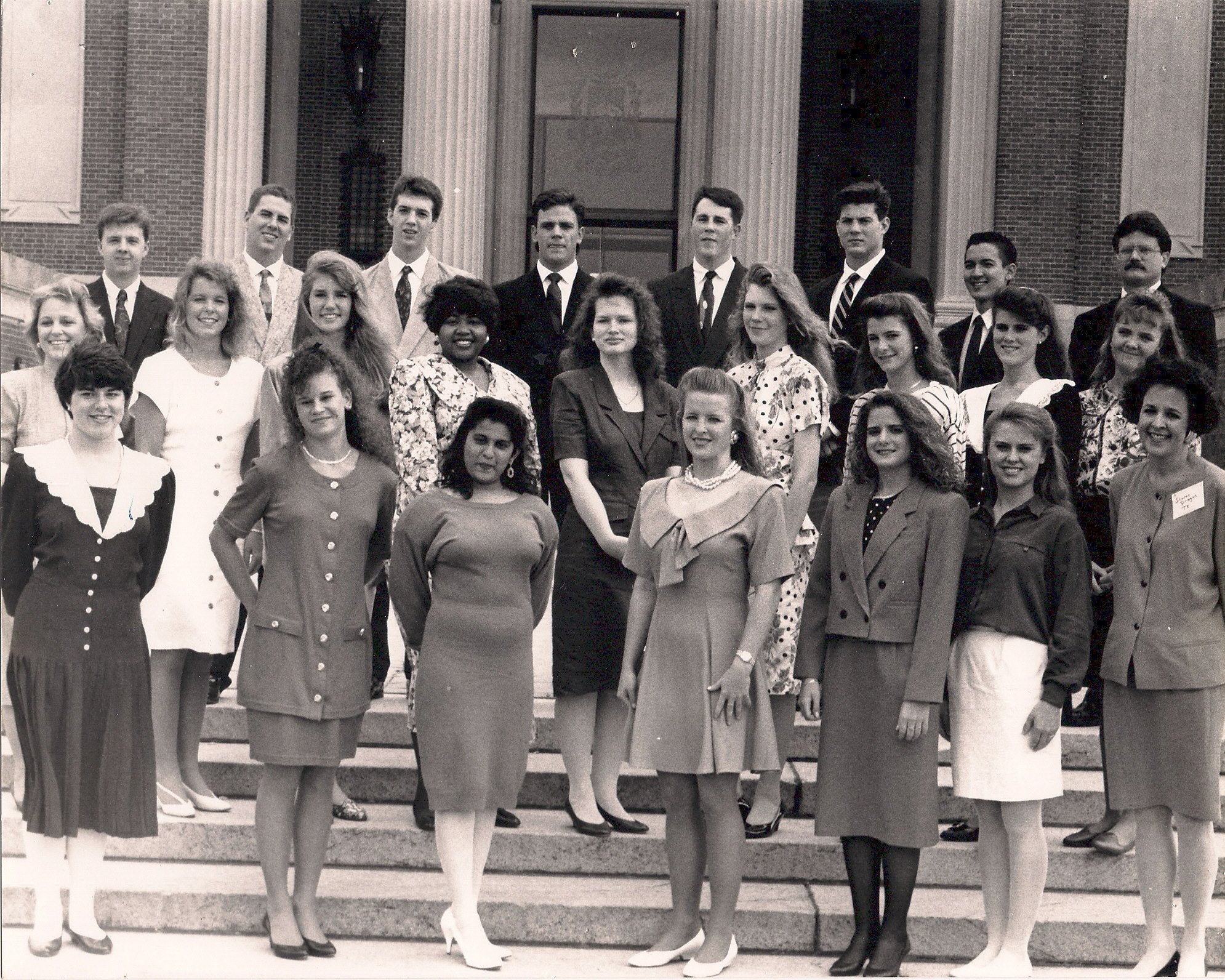
My closest encounters with philosophy before college were through spending time in my father’s library and participating on a Mock Congressional team in high school, which required taking a course on classics in political philosophy. Our team won the Texas State Championship and competed in Washington D.C. (top row, third from left).
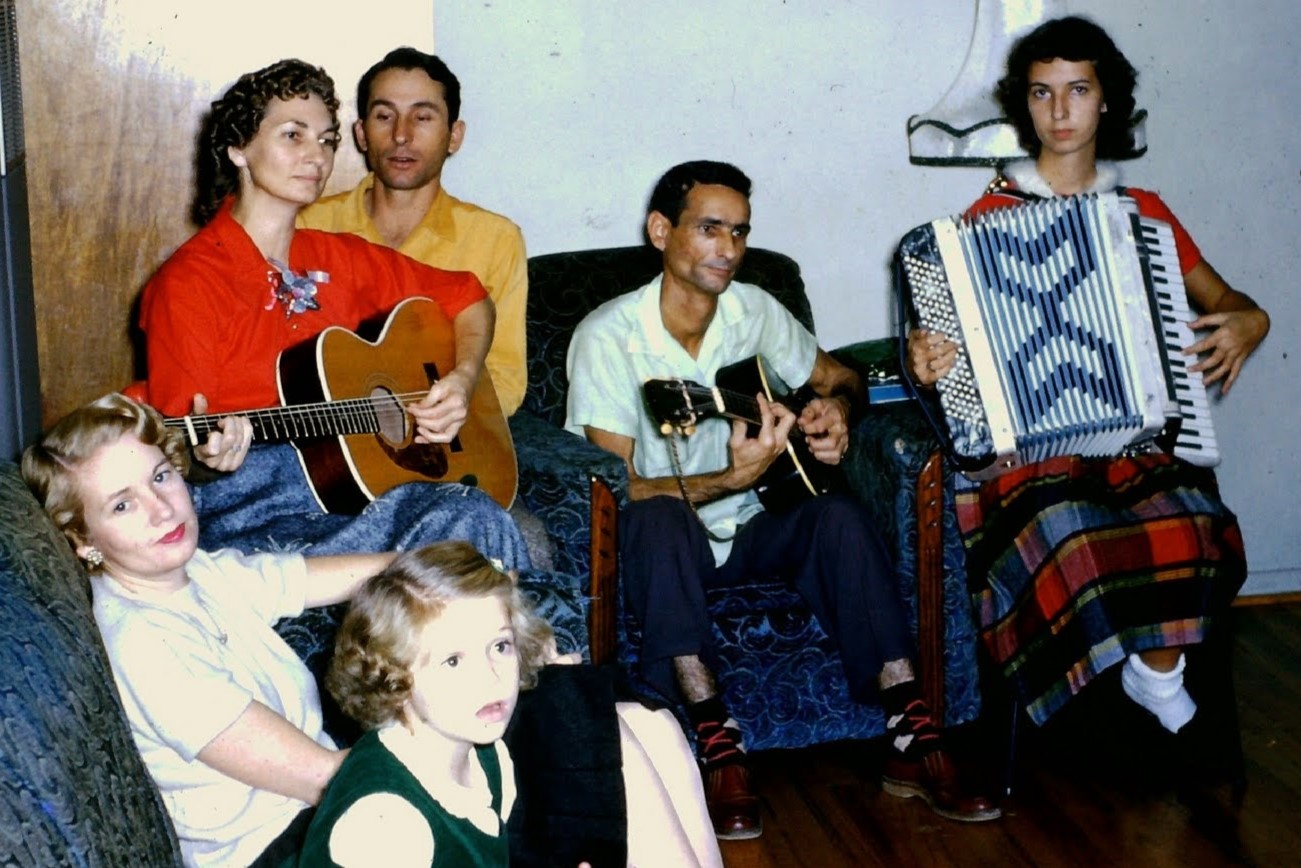
My mother was a medical transcriptionist and a phenomenal speller. From a musically inclined family, she played piano, guitar, ukulele, and (as seen in the image) the accordion. My father was seminary trained, as was his brother who spent a career pastoring and serving as the national director of an evangelical denomination (from which he retired after internal turmoil, which included death threats, over his public support for Palestinians during the Bush and Obama administrations; also here). Their mother attended LIFE Bible College in Los Angeles and idolized its idiosyncratic founder, the theatrical Pentecostal preacher and radio evangelist, Aimee Semple McPherson. Their father was a carpenter, church planter, and preacher, building and starting churches across Colorado and Utah. Following seminary, and after teaching at a bible college with his brother and serving as Dean of Students, my father transitioned into a decades-long career as a nursing home administrator. He never lost his passion for theology, reading, education, and sports.
With the intention of becoming a minister, I attended Evangel College (now Evangel University) in Springfield, Missouri, double majoring in Biblical Studies and Philosophy. By the early-1990s, when I was attending, Evangel had constructed several new buildings to replace most of the original wooden army barracks, which it had been using as classrooms since the college was founded at a former US Army hospital after WWII. The Bible and Philosophy departments were among the last to be provided with a new space, so their classes and offices were all still housed in barracks when I was there. There are some authors whose works, when I revisit them today (from Aristotle to Jean-Paul Sartre), conjure atmospheric memories of drafty rooms, creaky floorboards, and thumping radiators.
After graduating, I enrolled at Fuller Theological Seminary in Pasadena, CA, but dropped out after the second trimester. I worked for three years as a recreational counselor at Hillsides Home for Children (playing sports and doing woodworking with kids who had been removed from their homes by the state because of abuse), and then enrolled in the MA program in Religious Studies at Southwest Missouri State University (now MSU), returning for a second time to Springfield. I worked as a finish carpenter while completing the Masters program there, mostly hanging doors and windows, running baseboards and crown molding, installing cabinetry, building shelves and fireplace mantles, and so forth. Religious studies and ministry are not where my interests eventually took me, but my undergraduate and Masters programs gave me a strong foundation in ancient, modern, and contemporary philosophy, as well as key authors in anthropology, sociology, and psychoanalytic theory.
.jpg)
I then attended and completed a PhD in the Program for the History of Consciousness (HistCon) at the University of California, Santa Cruz. I took courses and independent studies on race, punishment, Hegel, Marx, and Critical Theory with Angela Y. Davis, who supervised my dissertation on Adorno. I studied feminist theories with Donna Haraway and Cultural Studies with Jim Clifford. While in Santa Cruz, I again worked as a carpenter, this time for a contractor who renovated upscale Silicon Valley homes.
One particularly salient memory from my time at Histcon was a bench overlooking the Monterey Bay, where more than a few independent study conversations took place.
%20ucsc%20bench%202.JPG)
Leaving Santa Cruz, I accepted a one-year position as Visiting Assistant Professor of Religious Studies at Yale University, while also serving as a lecturer at nearby Albertus Magnus College, in New Haven, CT. In 2005, I became a full-time Assistant Professor at Albertus, where I have remained ever since, becoming Full Professor and department chair. As someone with a lifelong hearing impairment, most of my teaching is now online, with some enjoyable exceptions. I routinely take students on walking tours of New Haven to look at and discuss art and architecture, as well as visits to homeless shelters, gentrified loft apartment buildings, New York City museums, and (in my capacity as faculty sponsor of the student Outdoors Club) camping trips.
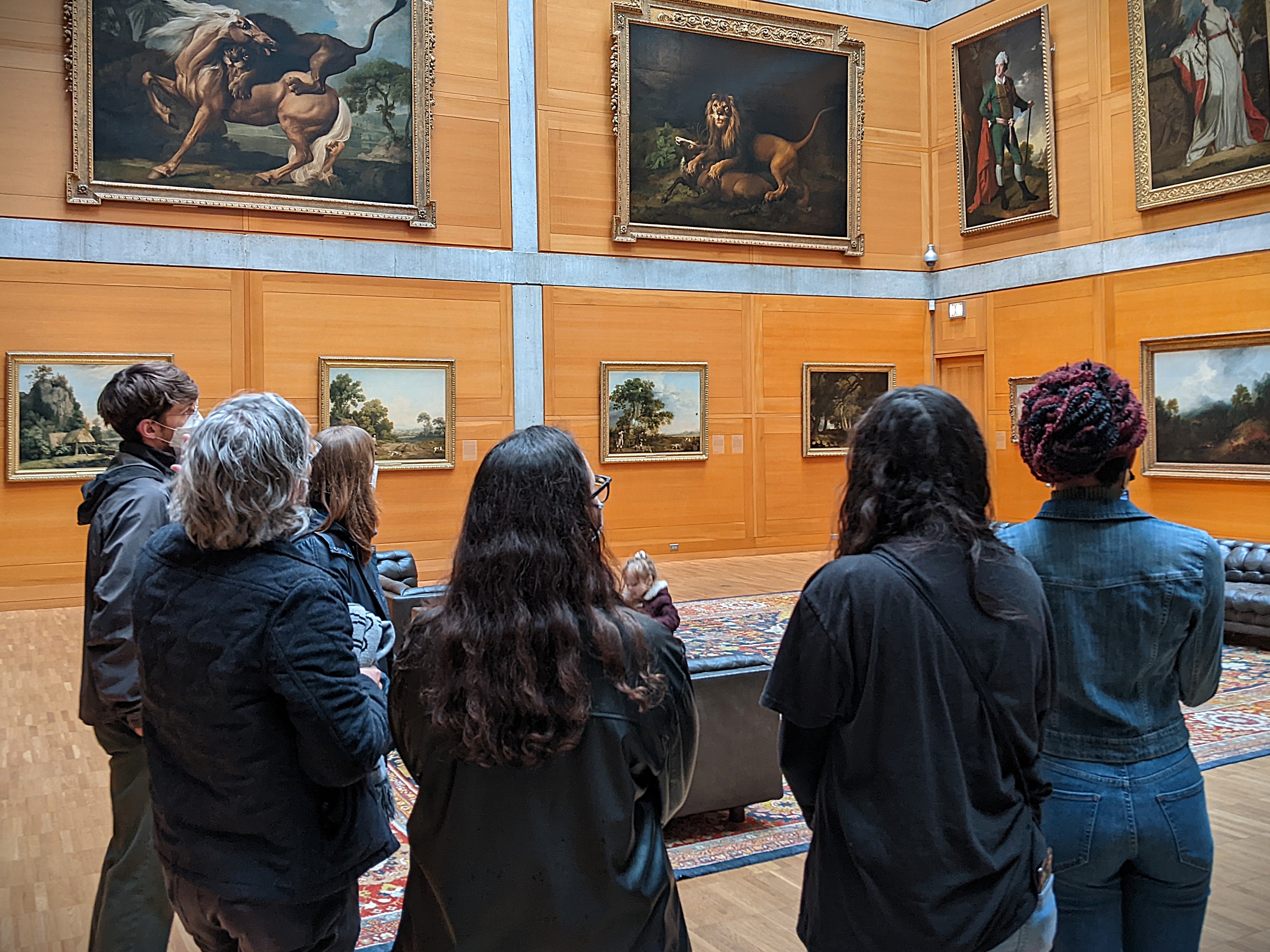
Since 2005, I have been developing and teaching a wide array of courses, from ancient, modern, and contemporary philosophy to environmental ethics, modern art & architecture, popular culture, theories of global justice, and the black radical tradition. I’ve also expanded the scope of my teaching to include an urban studies course on housing and the right to the city.
Albertus is a small liberal arts-based college with a tiny department of philosophy and religion. When I was hired, I was told that one of the needs for the position was for someone who could teach broadly as opposed to specializing in the minutia of one area. The interdisciplinarity of my training at HistCon has served me well and affords me the freedom to do many different kinds of things.
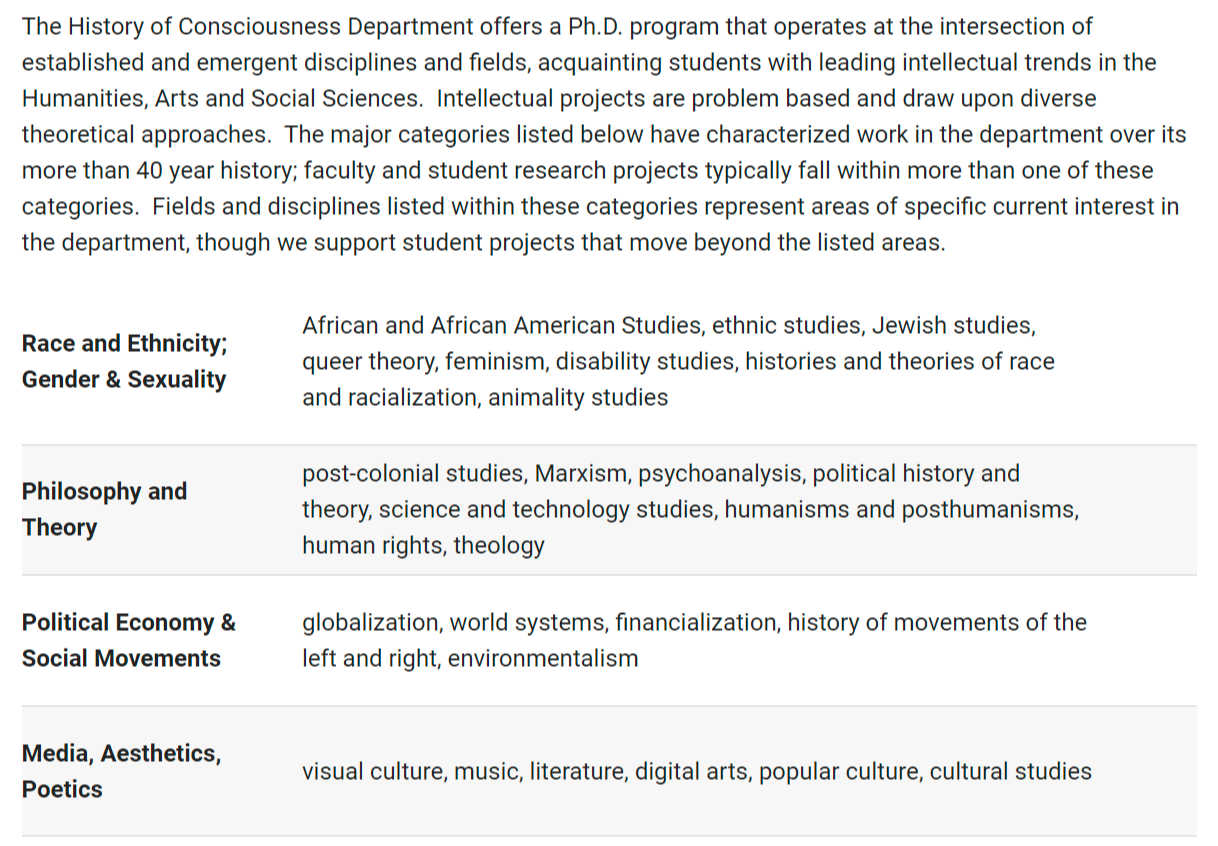
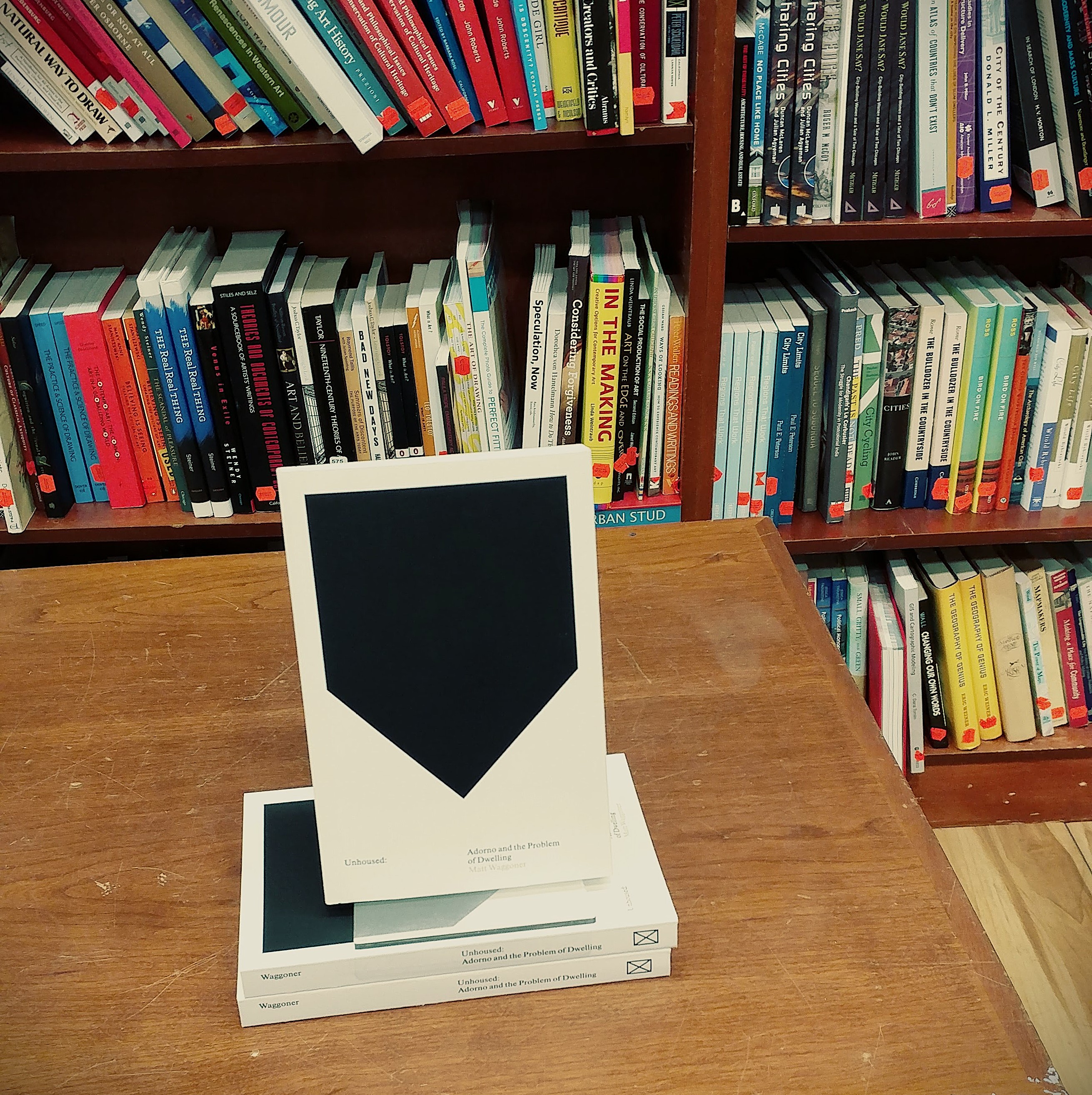
While taking advantage of the luxury to teach and write across disciplinary boundaries, my work has coalesced over the years around elements of what I call the philosophy of dwelling. For me, dwelling poses questions about how we live and die together well in the world with all kinds of others. That can range from the politics of belonging (home and homeland) to housing, cities, architecture, landscape, and environments. My first book, Unhoused (2019), examined Theodor Adorno’s philosophy of dwelling, which was shaped by his experience of exile as a German half-Jew during WWII. There’s a sentence in one of Adorno’s books, Minima Moralia, that intrigued me enough to write Unhoused and still does today. He said that we need to learn the art of not being at home in one’s home. It’s a way of articulating opposition to the politics of exclusion.
With heavy teaching loads, it’s difficult to write books because they’re time consuming. It was fifteen years after defending the dissertation that my first book was published. At the moment, I'm working on a second book: Minor Scenes: Philosophy and the Problem of Landscape. Like Adorno in some respects, the second book’s recurring figure, Georg Simmel, was primarily an essayist. Simmel’s 1913 essay, “The Philosophy of Landscape,” is one of the things that triggered my interest in landscape. I tend to gravitate toward essayists like Adorno and Simmel, just as they did toward Nietzsche for similar reasons. As a result, I’ve written and published a lot of essays, some of which are related to book projects but many are not. They more closely reflect the scope of my teaching.
In addition to teaching, writing, conference presentations, and all the ephemera that goes along with faculty duties, I have what feels like a full life outside of work. I recently moved to an 1886 home in New Haven. A 1990 addition doubled its size, and a wrap-around porch was added at some point. The previous owners left a notebook with photographs and blueprints starting in the early 1900s that trace the home's changes over time. I spent about six months applying my carpentry skills to make interior changes to the house so that it better suits our needs and style.
One major reason for the move was to have space for a workshop, since the previous house lacked a garage. The "new" home has a detached garage designed to house a car on one side and a boat or RV on the other, which means that side is very wide and tall. There is also an upstairs loft with hayloft doors and a large, functioning pulley system. The previous owners referred to the structure as "the barn," and so do we.
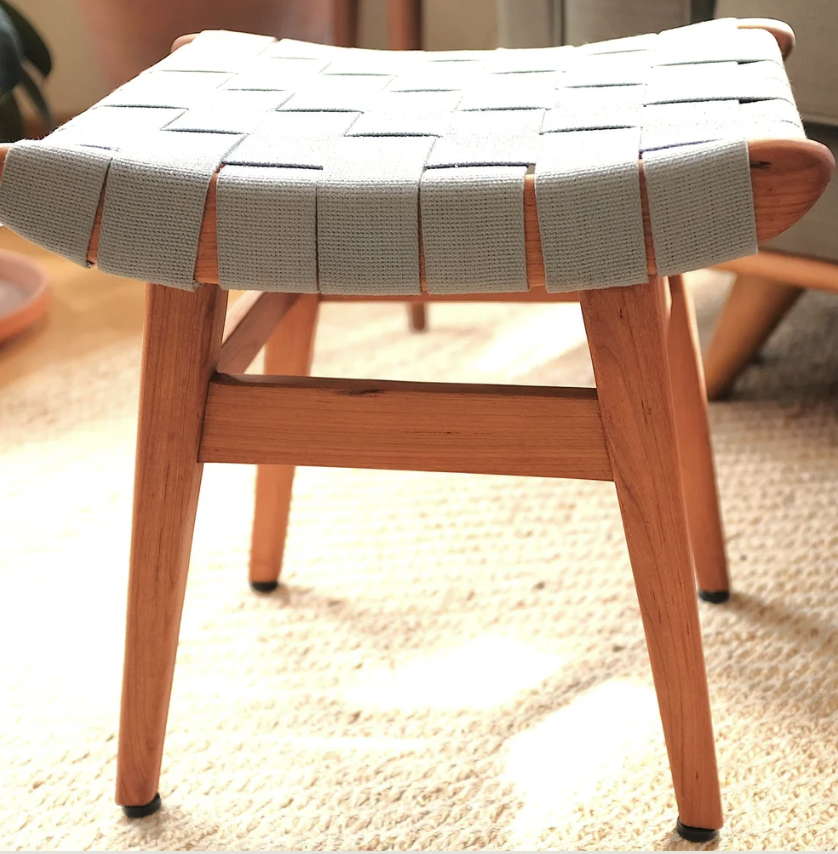
The barn became our workshop, and a whole new part of our lives. My partner, Faith, is also a woodworker like me, and we spent several months acquiring additional tools and setting up the shop so that we could spend time there together building and making things. As friends and neighbors saw our work, they began commissioning us to make things for them. We're now working with a small business incubator at the University of Connecticut to consider the feasibility of making it a side business. We're calling it Elm City Wares. In addition to designing and making things, I have especially enjoyed writing about the process and the world of craft and woodworking. I began doing this on the site's blog page in 2025 and then expanded in 2026 to a Substack newsletter.
Looking ahead, the hope is for more of the same: reading, writing, teaching, taking pictures, bike trips, walking the dogs dogs, and and making things. Hopefully, I'll always have time and motivation for new things.
Click here or hit the back button to return to the msw profile